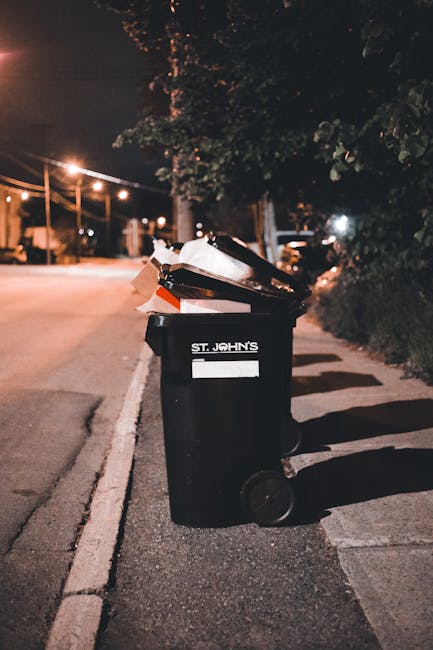
Household rubbish collection Southfields Village: a practical guide for local homes
If you are dealing with a pile of old bags, broken bits of furniture, or a general household clear-out that has quietly grown into a small mountain, you are not alone. Household rubbish collection Southfields Village is one of those services people only really think about when the hallway is tight, the bin area is full, or the weekend suddenly looks far too short. This guide explains how it works, what to expect, what to avoid, and how to choose the most sensible option for your home without making the whole thing harder than it needs to be.
Whether you are clearing a flat, sorting a family home, or finally getting rid of clutter that has been hanging around since last winter, the aim is the same: safe, tidy, and responsible removal with as little fuss as possible. Let's get into the useful stuff.
Why Household rubbish collection Southfields Village matters
Household waste sounds simple until it is not. A few black bags can turn into a blocked cupboard. A broken wardrobe can sit by the front door for weeks. A fridge that no longer works can become an awkward safety issue. And in a busy Southfields Village home, clutter tends to spread faster than you expect. One box on Monday somehow becomes four by Friday.
Good rubbish collection matters because it keeps your home usable, reduces stress, and stops waste from becoming a nuisance. It also helps when you are dealing with limited storage, shared access, narrow stairways, or a building where neighbours notice every trip through the hall. In that sense, household rubbish collection is not just about disposal. It is about restoring order.
There is also a practical side. Certain items need more careful handling than ordinary bagged waste. Electrical items, mattresses, old furniture, and bulky household goods each come with their own disposal considerations. If you get that part wrong, you may end up paying twice or creating a mess you have to undo later. Nobody needs that sort of Saturday.
Expert summary: if the waste is too bulky, too heavy, too mixed, or too inconvenient for normal bin collection, a dedicated household rubbish collection service is often the cleanest and safest solution.
How Household rubbish collection Southfields Village works
At its core, the process is straightforward. You identify what needs removing, decide whether it can be collected as general waste or as a more specific item type, and arrange a collection window that suits your home. From there, the team arrives, assesses access, loads the waste, and takes it away for sorting, reuse, recycling, or disposal depending on the material.
For many households, the main benefit is that you do not need to hire a vehicle, lift awkward items down stairs, or guess where everything should go. That matters in Southfields Village, where homes may include flats, maisonettes, terraced properties, and shared entrances that make moving rubbish out a bit more fiddly than a simple driveway pickup. Small complication, big difference.
A typical collection may cover general household clutter, old furniture, garden bags, loft contents, broken appliances, bagged rubbish, and mixed domestic waste. Some items, however, need separate handling. For example, appliances and refrigeration items are usually treated differently from ordinary waste, and hazardous items must be kept apart. If you are unsure, it helps to check in advance rather than leaving it until collection day when everyone is standing there with a half-open box and a puzzled face.
Many people also combine rubbish collection with a broader clear-out. If your project includes cupboards, loft spaces, a garage, or leftover items after redecorating, services such as home clearance or house clearance may be more appropriate than a simple one-off rubbish pickup. For specific bulky items, it can also help to look at furniture disposal or fridge and appliance removal so the right handling is planned from the start.
Key benefits and practical advantages
There is a reason household rubbish collection remains popular with busy London households. It saves time, removes friction, and gives you a clear finish line. And honestly, that finish line is often the thing people want most.
- Less lifting and moving: You do not have to drag heavy bags, broken furniture, or awkward items around yourself.
- Better use of space: Clearing rubbish quickly frees kitchens, hallways, sheds, lofts, and spare rooms.
- More flexible than waiting for bin day: Not everything fits standard council collections, and some items need sooner removal.
- Cleaner, safer home environment: Reducing clutter lowers trip hazards and helps avoid pests, damp smells, or blocked access points.
- More responsible sorting: Good waste handlers separate recyclable and reusable materials instead of sending everything to landfill by default.
There is also a less obvious benefit: peace of mind. When waste is removed properly, you are not wondering whether the back door will stay clear, whether the neighbours will complain, or whether your spare room will ever be usable again. Small win. Big relief.
If sustainability matters to you, it is worth choosing a provider with a clear approach to recycling and disposal. A service that can explain its route for materials is usually a better fit than one that just says "we'll take care of it" and leaves you guessing. You can also read more about a responsible approach on the site's recycling and sustainability page.
Who this is for and when it makes sense
This service is for ordinary households, not just people doing a dramatic spring clean with music playing and boxes everywhere. In reality, it suits a wide mix of situations.
- Families clearing out accumulated rubbish after a busy few months
- Flat owners dealing with limited bin storage or shared refuse areas
- People preparing a property for sale or new tenants
- Anyone with bulky waste that will not fit in normal household bins
- Homes recovering after DIY, decorating, or a cupboard/loft sort-out
- Residents who need a quicker option than waiting for council bulk collections
It also makes sense when the waste is mixed. For example, a cupboard clear-out may include empty boxes, broken plastic storage, an old lamp, some bags of clothes, a cracked chair, and a tired mattress. You could spend half the weekend splitting that into five separate trips, or you could arrange a collection that deals with it in one go.
If your situation is more specialised, you may want a targeted service. A home full of unused items might call for flat clearance, while a loft full of long-forgotten storage may fit better with loft clearance. For garage clutter, there is garage clearance. That sort of matching makes the process smoother, plain and simple.
Step-by-step guidance
Here is a simple way to approach household rubbish collection without losing the plot halfway through.
1. Walk through the property and sort the waste
Start with a full sweep of the rooms, storage spaces, and any outside areas you want included. Be honest about what is rubbish, what could be donated or reused, and what needs specialist handling. If you keep pausing over things like "maybe this box will be useful one day," the pile will never shrink. It just won't.
2. Separate normal household waste from special items
Separate out items like appliances, mattresses, broken furniture, and anything potentially hazardous. This helps the collection run more quickly and avoids problems on the day. It also means you are less likely to be caught off guard when something requires different handling.
3. Estimate volume and access
Think about how much space the waste takes up and how it can be moved. Is there a lift? Are there stairs? Is parking nearby? Can a vehicle stop close to the building without causing trouble? These details matter, especially in a village setting where access can be tight and timings matter a lot.
4. Choose the most suitable service type
For a general mix of rubbish, a household collection is usually enough. For larger, room-by-room clear-outs, consider services such as house clearance or home clearance. If your waste is mostly old furnishings, a dedicated furniture clearance may be the better fit.
5. Confirm what can and cannot be taken
Before collection day, clarify excluded items. Hazardous materials, certain chemicals, and some specialist waste streams may need separate handling. This is not the glamorous part of the job, but it is the part that keeps everyone safe.
6. Prepare the waste for easy loading
Put smaller rubbish in bags or boxes, keep walkways clear, and group similar items together where possible. If you have anything sharp or broken, make sure it is contained safely. A few minutes of prep can save a lot of time at the door.
7. Check the space after collection
Once the waste is gone, do a quick walk-through. Make sure nothing has been missed and that access routes are clean. It is a good moment, actually. Quiet room, less clutter, more breathing space.
Expert tips for better results
Over time, the difference between a smooth collection and a stressful one usually comes down to preparation, communication, and knowing what not to do.
- Take photos before booking: Even a few quick pictures can help with planning and reduce confusion about what needs removing.
- Put heavy items near the exit if safe to do so: This can speed things up, though do not move anything risky on your own.
- Keep recyclables separate where practical: Mixed waste is fine in some cases, but separating obvious recyclables helps efficiency.
- Label questionable items: If something might be hazardous or special-category waste, mark it clearly so it is not handled incorrectly.
- Plan around neighbours and access: In shared buildings, a little timing awareness goes a long way.
A small but useful trick: do the sort-out in daylight if you can. At 8pm, everything looks more complicated, more emotional somehow. In the morning, half of it seems easier to decide on. Funny how that works.
Another sensible move is to compare waste collection with other clearance options. If you are clearing several rooms at once, look beyond simple rubbish removal and consider whether waste removal or a broader property clearance is better value. A good provider should help you match the service to the mess, not the other way around.
Common mistakes to avoid
Household rubbish collection looks straightforward until a few avoidable issues make it harder than it should be. These are the mistakes people most often make.
Mixing every item together
General rubbish, electricals, hazardous materials, mattresses, and metal items may not all be treated the same way. Mixing everything into one pile can cause delays or extra handling costs.
Underestimating the volume
People often say, "It's just a few bags," then discover there are also two shelves, an old desk, a broken lamp, and a kettle that somehow stopped working in 2021. Count honestly. It saves hassle later.
Leaving access issues until collection day
If a vehicle cannot stop close enough, or if stairs and lifts are not considered in advance, the job takes longer and may become more expensive. Access is not a small detail. It is part of the job.
Forgetting about specialist items
Fridges, freezers, and certain appliances may need separate disposal arrangements. If you have that kind of waste, plan for it early rather than tacking it on at the end.
Choosing only on price
Cheapest is not always best. A low quote with poor clarity can turn into a frustrating experience. Clear terms, safety standards, and responsible disposal matter more than shaving off a few pounds in the wrong place.
Tools, resources and recommendations
You do not need a truck full of gear to organise household rubbish collection, but a few simple tools can make the process much easier.
- Strong bin bags or rubble sacks: Good for loose household waste and smaller bulky items.
- Permanent marker: Handy for labelling items that need special handling.
- Tape and cardboard: Useful for covering sharp edges or bundling loose parts safely.
- Gloves: Especially useful during sorting when you do not know what is hiding in the back of a cupboard.
- Measuring tape: Helps with estimating access, item size, and whether bulky waste will fit through doorways or stairwells.
It also helps to keep a short list of what you want removed. A simple written list reduces last-minute forgetting. The "oh, and that chair" moment happens to almost everyone.
If you are trying to compare collection approaches, pages like pricing and quotes can help you think through the cost side, while what can go in a skip is useful if you are deciding between a skip-style solution and a man-and-van collection. One may suit a long DIY project; the other may suit a quicker home clear-out. Different jobs, different tools.
Law, compliance, standards and best practice
Waste collection in the UK is not just a practical matter; it carries responsibility. Households should make sure waste is handed to a properly managed service and not left with anyone who cannot explain how it will be handled. That is especially important for mixed waste, electrical items, and anything potentially hazardous.
Best practice is pretty straightforward:
- Only use a service that is clear about what it can take
- Keep hazardous items separate unless you have been told otherwise
- Be honest about the waste type and quantity
- Do not leave sharp, contaminated, or leaking items unsecured
- Choose providers that can explain their approach to recycling, safety, and disposal
For peace of mind, it also helps to review practical company information such as health and safety policy, insurance and safety, and terms and conditions. Those pages do not make the job exciting, obviously, but they do tell you a lot about how seriously a company takes the work.
If your rubbish includes potentially risky materials, use a dedicated route such as hazardous waste disposal. That is one area where improvising is not a smart move. Better safe than sorry, as the saying goes, even if it sounds a bit tired.
Options, methods and comparison
There is more than one way to handle household rubbish, and the right choice depends on time, access, volume, and what you are throwing away.
| Option | Best for | Pros | Trade-offs |
|---|---|---|---|
| Household rubbish collection | Mixed domestic waste, bags, small bulky items | Fast, convenient, low effort | Not ideal for every specialist waste type |
| House clearance | Full property or multiple rooms | Comprehensive, efficient for larger jobs | May be more than you need for a small pile of waste |
| Flat clearance | Compact homes, shared access, limited storage | Practical in tight spaces, suitable for apartment living | Access and parking need careful planning |
| Furniture disposal | Sofas, wardrobes, tables, chairs | Handles awkward bulky items well | Not the best fit if the waste is mostly bags and general clutter |
| Fridge and appliance removal | White goods, old refrigeration, electrical items | Safer handling for specialist items | Usually not included in ordinary rubbish collections |
The comparison is simple enough: if the waste is mainly bags and mixed household clutter, a collection service is usually the most efficient route. If the job is bigger or more specific, a dedicated clearance service may be the better fit. No need to overcomplicate it.
Case study or real-world example
A typical Southfields Village scenario goes like this. A couple has just finished repainting their flat. The work was meant to be small, but the old curtain poles came down, a broken bedside table appeared from nowhere, two worn-out shelves were replaced, and the spare room filled with packaging, old bedding, and a few bags of general rubbish. By the end of the week, the corridor looked tired and the bin store was already full.
They first thought about waiting for council collection, but the waste included bulky items and a few awkward bits that were not suitable for normal bins. After sorting items into categories, they separated the bags, checked the access route, and arranged a collection. The team removed the waste in one visit, leaving the flat clear enough for the final decorating touch-ups.
What did they learn? That the job becomes much easier when you do not leave the sorting until the day of collection. Also, that one old shelf can somehow generate three more things you forgot about. It happens.
This is a common pattern in busy homes: the waste is not dramatic, just persistent. Once it is gone, the space feels lighter. You notice the echo in the hallway, the clean corners, the fact that you can actually open the cupboard without a small avalanche.
Practical checklist
Use this simple checklist before booking Household rubbish collection Southfields Village:
- Walk through every room and identify what needs removing
- Separate ordinary waste from bulky, electrical, or hazardous items
- Count bags, boxes, and large pieces as accurately as possible
- Check access, parking, stairs, lifts, and doorway widths
- Decide whether you need household rubbish collection or a broader clearance service
- Group items together so loading is easier
- Keep sharp or broken items safely contained
- Confirm any excluded items before the collection date
- Review safety, payment, and terms information before proceeding
- Leave the route clear for quick and safe removal
Quick take: sort first, book second, and keep access in mind. That one habit prevents most collection-day headaches.
Conclusion
Household rubbish collection Southfields Village is really about making home life feel manageable again. Not glamorous, not thrilling, but deeply useful. Whether you are clearing a single room, removing bulky rubbish, or dealing with a full domestic tidy-up, the right approach saves time, reduces stress, and helps keep your home safe and presentable.
The best results usually come from simple preparation: sort the waste, understand what needs special handling, be realistic about access, and choose the collection option that actually fits the job. Do that, and the whole process becomes far smoother than most people expect.
If you are weighing up the next step, it can help to explore service details, safety information, and pricing guidance before you decide. A little preparation now can save a lot of bother later. And once the clutter is gone, you really do feel the difference in the room.
Get a free quote today and see how much you can save.
Frequently Asked Questions
What counts as household rubbish collection in Southfields Village?
It usually covers mixed domestic waste such as bagged rubbish, broken household items, small furniture, packaging, and clutter from rooms, lofts, or storage spaces. Exact inclusions can vary, so it is always worth checking what the provider will take.
Can I put furniture with my general household rubbish?
Sometimes yes, but bulky furniture is often better handled as a specific item type. Sofas, wardrobes, and mattresses can need separate handling, so it may be cleaner to use a dedicated furniture service rather than mixing everything together.
Do I need to sort the rubbish before collection?
Basic sorting helps a lot. Separate ordinary waste from appliances, sharp items, and anything hazardous. You do not need to make it museum-perfect, but a bit of order speeds things up and reduces mistakes.
What happens to the rubbish after it is collected?
It is usually sorted for reuse, recycling, or disposal depending on the material. Responsible handling matters, especially where recyclable materials or specialist items are involved.
Is household rubbish collection suitable for flats?
Yes, it often is. In fact, it is especially useful in flats where storage is limited and moving waste through shared access can be awkward. Planning access and timing matters more in those settings.
Can you remove old appliances as part of the collection?
Sometimes, but appliances are often treated separately from general domestic waste. Fridges, freezers, and similar items may need dedicated removal, so it is best to mention them in advance.
How far in advance should I book a collection?
As early as you reasonably can, especially if you want a preferred time slot or if the waste is bulky. That said, many household collections are arranged fairly quickly when access is straightforward.
What should I do with hazardous household waste?
Keep it separate and tell the provider before collection. Hazardous items should not be mixed into general rubbish, and they may require a specific disposal route for safety reasons.
Is it cheaper to use a skip or a rubbish collection service?
It depends on the amount and type of waste. A collection service can be more convenient for mixed household clutter and bulky items, while a skip may suit longer projects with lots of ongoing waste. Compare based on your actual job, not just the headline price.
What if I am not sure whether something can be taken?
Ask before booking. It is much better to clarify items early than to discover on collection day that one part of the pile needs separate handling. A quick question can save a lot of hassle.
Can household rubbish collection help after decorating or DIY?
Yes, it often does. Waste from decorating, light DIY, and room refreshes can include mixed materials, packaging, and old fittings. For larger renovation waste, though, a more specific clearance service may be the better choice.
How do I know the provider is trustworthy?
Look for clear information on safety, insurance, payment, terms, and recycling. A trustworthy provider should be open about what they can take and how they handle it, without making everything sound vague or overly clever.