Health & Safety Policy for Commercial Waste Southfields Operations
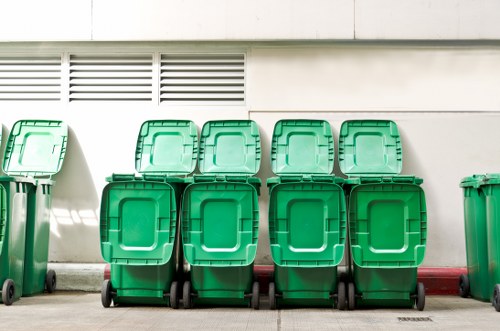 Introduction: This Health and Safety Policy sets out the responsibilities, arrangements and standards that govern the safe delivery of commercial waste services in and around our operational area. It applies to everyone engaged in commercial waste collection Southfields activities, including contracted staff, drivers, loaders and depot personnel. The policy is designed to prevent injury and ill health, ensure compliance with relevant statutory obligations and promote continuous improvement in waste and rubbish management operations.
Policy Statement
Our organisation recognises that safe, compliant waste management is integral to operational excellence. We are committed to maintaining a safe working environment for all employees and third parties affected by our work. Key objectives are to reduce risk in commercial refuse collection, improve workplace safety standards, and ensure that rubbish collection Southfields activities are conducted without harm to people or the environment. We will allocate the necessary resources to achieve these objectives.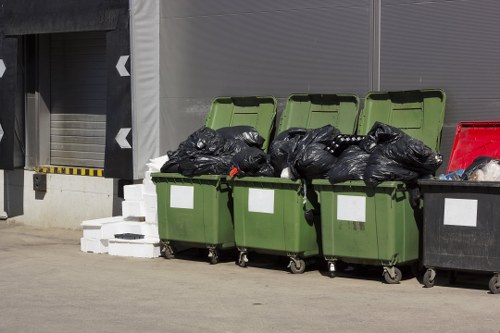
Scope and Application
This policy covers all activities related to the handling, transport and disposal of waste generated by commercial customers. It addresses routine collections, bulk waste removal, transfer station operations and brief emergency responses. It applies to permanent and temporary staff, subcontractors and visitors engaged in waste services or waste management projects within the service area.Responsibilities — Management is responsible for providing leadership, resources and documented systems that ensure safe operations. Managers will monitor compliance, conduct risk assessments and maintain records of training and incidents. Employees are required to follow safe systems of work, report hazards or near misses and make full use of personal protective equipment (PPE).
Risk Assessment and Control
We conduct systematic risk assessments for all commercial waste activities. Identified hazards such as manual handling, vehicle movements, sharps, hazardous waste streams and site conditions are evaluated and controlled. Controls include:- safe lifting techniques and mechanical aids;
- vehicle and pedestrian segregation on site;
- clearly defined load containment and segregation procedures;
- appropriate PPE and spill response equipment;
- controls for hazardous or specialist waste streams.

Training, Competence and Supervision
Employees will receive induction, role-specific training and periodic refresher training to ensure competence. Training topics include safe vehicle operation, manual handling, hazardous waste recognition, emergency procedures and first aid. Supervisors must verify competency before staff undertake unsupervised tasks and provide coaching where required. Records of qualifications and training will be maintained and reviewed.Vehicles and Equipment All vehicles and equipment used in commercial rubbish services are inspected, serviced and maintained according to a documented schedule. Pre-shift checks are mandatory and defects must be reported immediately. Equipment that presents a safety risk will be removed from service until repaired. Vehicle operators must comply with loading limits and safe vehicle loading protocols to prevent instability and spillage.
Incident Reporting and Investigation
Incidents, accidents and near misses must be reported promptly through the organisation’s reporting system. Investigations aim to identify root causes and implement corrective actions to prevent recurrence. Findings are communicated to staff and incorporated into training and operational changes. Where appropriate, lessons learned will be shared across teams to improve waste management safety.Health and Wellbeing The organisation recognises that the health of staff is integral to safe operations. Measures include ergonomic assessments for manual handling tasks, access to occupational health services, and policies to manage fatigue, stress and communicable disease risks. Staff are encouraged to report health concerns that might affect their ability to perform duties safely.
Site Control and Customer Interfaces
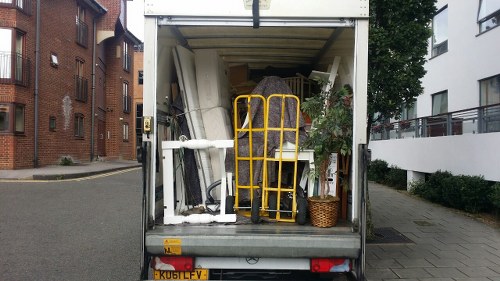
Where collections occur on customer premises, clear communication and agreed access procedures are required. Customers must be made aware of safe collection points, segregation requirements and prohibited items. Our crews will follow site-specific instructions while maintaining their own safety protocols, ensuring that commercial waste collection operations do not create hazards for the public or client staff.Waste Segregation and Environmental Protection Proper segregation and handling of recyclable, non-recyclable and hazardous materials is critical. We will ensure compliant disposal and transfer practices, minimising environmental risk through containment, spill response and appropriate documentation of waste streams. Environmental protection is integral to our health and safety approach.
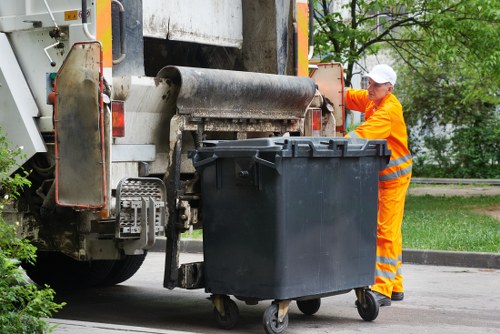 Monitoring, Review and Continuous Improvement Our Health and Safety Policy is reviewed regularly and following significant incidents or changes in operations. Performance is monitored using leading and lagging indicators including training completion rates, audit results, incident frequency and corrective action closure. We are committed to continuous improvement and integrating best practice into our commercial waste and rubbish collection services.
Conclusion: This policy provides the framework for safe commercial refuse and waste services in our service area. It defines responsibilities, promotes a safety-first culture and ensures that rubbish collection and waste management activities are planned, controlled and continually improved. All personnel are expected to understand and apply this policy as part of their contractual and professional obligations.
